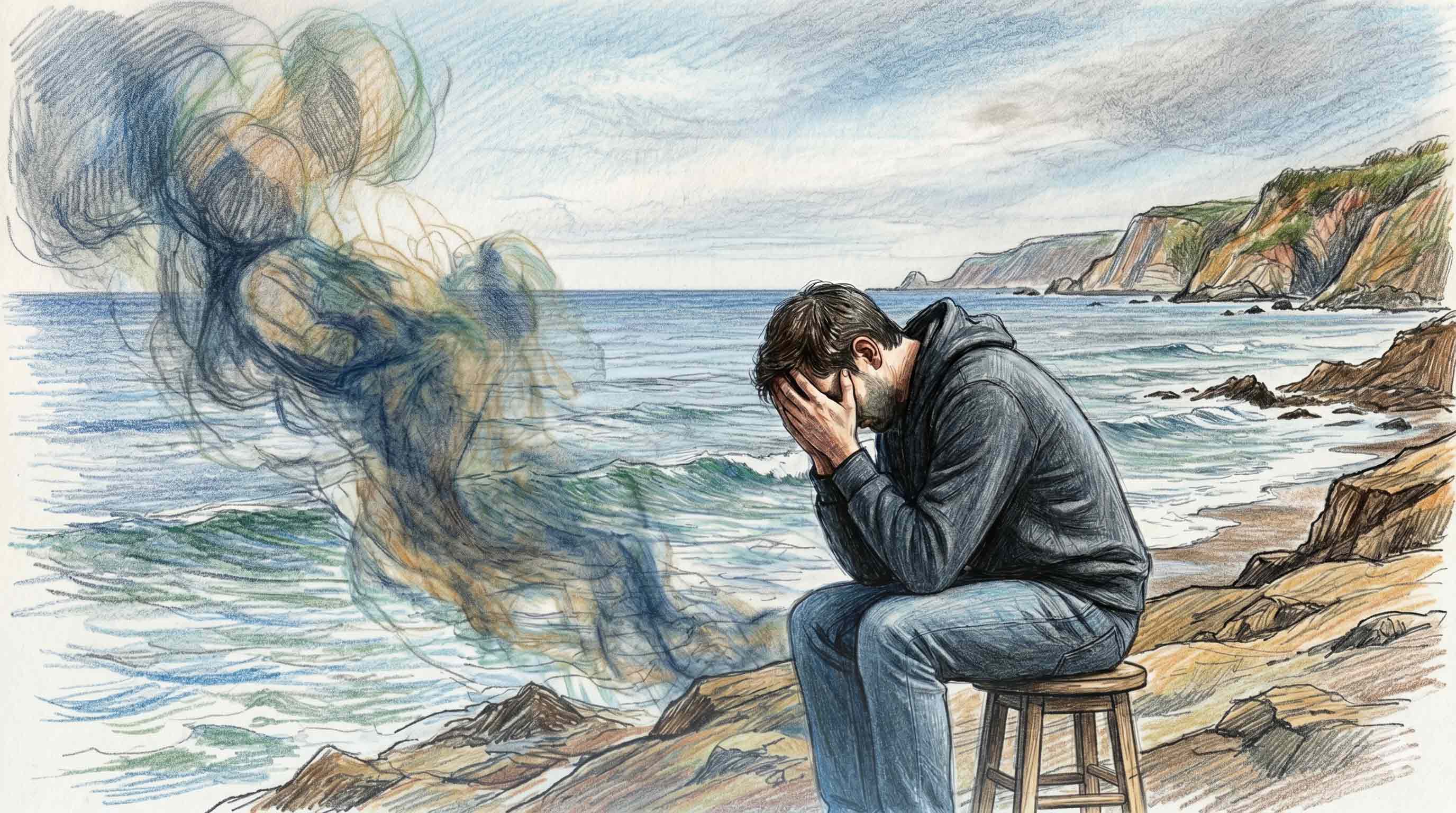
Afghanistan has suffered through more than four decades of conflict and instability. Much of this violence was framed as a religious war, and ordinary people paid the highest price. Many Afghans fought more in the name of religion than against foreign invasion itself.
Afghanistan had once united strongly against foreign invasions, including the British invasions during the 19th and early 20th centuries. However, after King Amanullah Khan’s attempts to modernize the country, his government was eventually overthrown following an uprising led by religious figures and extremists who opposed his reforms. Even before the Saur Revolution, religious figures such as Gulbuddin Hekmatyar, Abdul Rasul Sayyaf, and others had already begun opposing Daoud Khan’s government because they demanded the implementation of Sharia law in Afghanistan.
After decades of chaos, war, and destruction, many Afghans began to reassess the root causes of their country’s instability independently and critically. This led to the rise of freer thinking among parts of society, where people started questioning everything openly and examining what had truly driven Afghanistan into such a long period of suffering and conflict.
As more Afghans independently reassess their history, a new intellectual movement is taking root. But to understand this shift, we must first ask:
What is Freethinking?
Freethinking is the idea of forming beliefs through reason, evidence, and independent thinking rather than blindly following tradition, authority, or social pressure. A freethinker asks questions, explores different viewpoints, and is open to changing their mind when presented with new evidence or better arguments.
Freethinking does not necessarily mean rejecting beliefs; rather, it supports the freedom to think critically and make personal choices about beliefs, values, and life. It is closely connected with philosophy, critical thinking, and the pursuit of knowledge through reason and open discussion.
Who are Afghan Freethinkers?
Afghan freethinkers are a diverse group of liberals, secularists, ex-Muslims, philosophers, writers, and independent thinkers who believe in using logic, reason, and critical thinking rather than blindly following religious or political authority. They advocate for secularism, democracy, women’s rights, religious reform, ethnic equality, science, and education, while also examining the long-term effects of extremism, war, and ideological violence on Afghan society. Their goal is to encourage open discussion, intellectual freedom, tolerance, and a modern society based on human rights and independent thought.
These are the awakened children of war who seek to identify the root causes of Afghanistan’s long suffering and instability, rather than repeating old slogans or blindly following inherited ideologies. Unlike many traditional scholars who focus only on defending religious authority or preserving old systems, Afghan freethinkers encourage people to question everything critically and to search for solutions based on logic, human rights, education, and social progress. Having grown up through decades of war, extremism, and destruction, they believe Afghanistan can only move forward through independent thinking, tolerance, and open dialogue.
Common Categories of Freethinkers
Freethinkers can have different beliefs and worldviews, but they share the idea of questioning traditions, authority, and accepted ideas through reason and independent thinking.
Atheists
People who do not believe in the existence of a god or gods. Their views are usually based on reason, evidence, science, or personal reflection rather than faith or tradition. They believe ideas should be questioned openly and accepted only when supported by evidence.
Agnostics
Individuals who believe that the existence of God or ultimate truth is unknown or may never be fully known. Instead of making absolute claims, they remain open to uncertainty and believe some questions may not have clear answers.
Humanists
Thinkers who focus on human well-being, ethics, compassion, and reason as the foundation for a good society. They believe people can create meaning, morality, and purpose through human experience and cooperation, emphasizing dignity, equality, and human rights.
Skeptics
People who question claims and beliefs before accepting them as true. They rely on evidence, logic, and critical thinking instead of rumors, assumptions, or blind trust.
Secular Thinkers
Advocates for separating religion from government, law, and public institutions. They believe society should be based on equal rights, freedom of belief, and neutral laws that apply to everyone regardless of faith.
Rationalists
Individuals who believe reason and logic are the best tools for understanding reality and solving problems. They value clear thinking, evidence, and intellectual analysis over emotion, superstition, or tradition.
Philosophical Thinkers
Thinkers who explore deep questions about life, truth, morality, existence, knowledge, and human nature. They study ideas through discussion, reflection, and logical reasoning rather than accepting simple answers.
Political Freethinkers
People who question political systems, ideologies, leaders, and social structures independently. Instead of blindly following political parties, they analyze ideas critically and form opinions through reason and evidence.
Scientific Thinkers
Those who rely on observation, experimentation, and evidence to understand the world. They trust the scientific method and believe knowledge should be tested and updated when new evidence appears.
Cultural Reformers
Individuals who challenge harmful traditions, social restrictions, and outdated norms to improve society. They support education, equality, and freedom of expression while still valuing the positive aspects of their heritage.
Ex-Believers
People who once strongly followed a religion or ideology but later changed their views through personal questioning, study, and life experience. They value open inquiry and the freedom to build their own understanding of truth and identity without fear.
Summary: A Path Forward
Freethinking is not about having all the answers: it is about having the courage to ask questions, think independently, and seek truth through reason and understanding. In a world heavily shaped by strict traditions and inherited ideas, freethinkers choose curiosity over fear and open inquiry over blind acceptance.
For Afghans, who have suffered through long periods of war and oppression, this intellectual shift offers a tangible path toward real freedom. By questioning outdated ideologies, trusting reason, seeking evidence, and tolerating different views, a more just and peaceful society can be built. In practical terms, this mindset empowers individuals to break cycles of ideological violence, advocate for meaningful education, and rebuild communities based on mutual respect rather than coercion. Freethinking provides a foundation of hope for a future Afghanistan where ideas are shared openly, decisions are made thoughtfully, and society advances through compassion and human dignity.