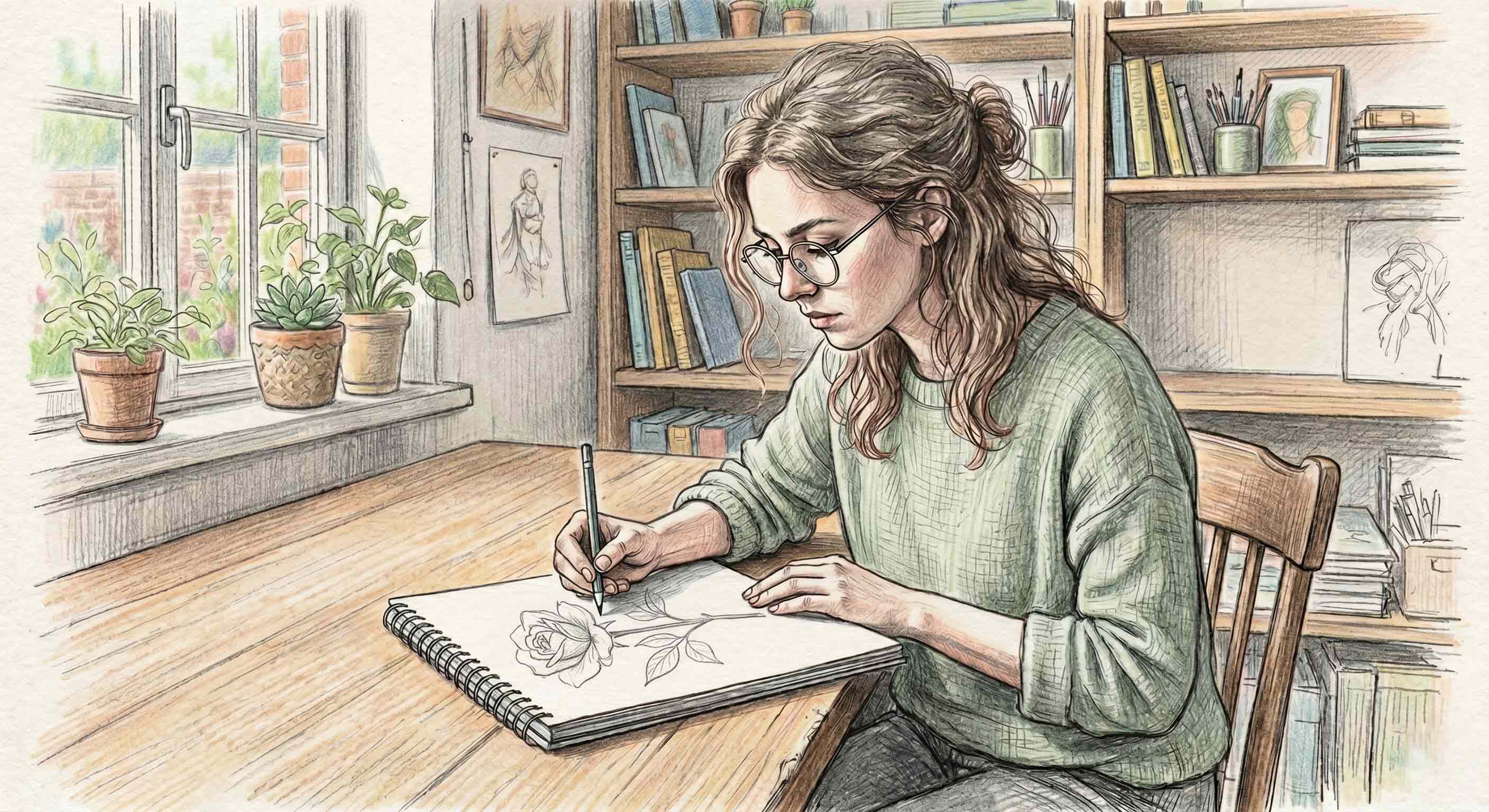
Art and literature are among the greatest achievements of human civilization. From the earliest cave drawings to modern novels and digital paintings, they reflect the thoughts, emotions, beliefs, and experiences of humanity. They allow people to communicate ideas beyond ordinary conversation and preserve the culture and history of societies for future generations. Throughout history, every civilization has expressed itself through artistic creativity and literary works. Art and literature not only entertain people but also educate, inspire, and shape human understanding. They connect individuals across different cultures and time periods, proving that creativity is a universal language shared by all people.
What Is Art?
Art is the expression of human imagination, emotions, ideas, and creativity through different forms such as painting, sculpture, music, dance, architecture, photography, and drama. It is a way for people to communicate feelings and thoughts that may be difficult to explain with simple words. Art can represent beauty, sadness, hope, struggle, religion, love, or social change. Every society develops its own artistic traditions according to its culture, beliefs, and environment. Some forms of art are created for decoration and beauty, while others are designed to deliver powerful messages about society and human life. Art gives meaning to human experiences and helps people understand themselves and the world around them more deeply.
What Is Literature?
Literature refers to written or spoken works that express ideas, stories, emotions, and knowledge in a creative and meaningful way. It includes poetry, novels, short stories, dramas, essays, myths, and historical writings. Literature allows people to share experiences and preserve wisdom across generations. Through literature, readers can explore different cultures, time periods, and perspectives without leaving their homes. It develops imagination and critical thinking while also improving language and communication skills. Literary works often reflect the social, political, and cultural conditions of the time in which they were written. Because of this, literature becomes an important record of human civilization and a source of learning for future generations.
How Art Began
The origins of art go back to prehistoric times when early humans started drawing on cave walls and carving symbols into stone and bone. Historians believe that these early artistic creations were connected to religious beliefs, hunting rituals, and storytelling. Ancient cave paintings found in places like the caves of France and Spain show animals, human figures, and scenes from daily life. These paintings demonstrate that even the earliest humans had a desire to express themselves creatively. Over time, art developed as civilizations grew stronger. Ancient Egyptians created magnificent sculptures and pyramids, while the Greeks focused on beauty and human perfection in their artistic works. Art gradually became an important part of religion, politics, and culture in societies around the world.
How Literature Began
Literature began with oral storytelling long before written language was invented. Early humans shared myths, legends, songs, and stories by speaking and memorizing them. These stories taught moral lessons, explained natural events, and preserved the traditions of communities. When writing systems were developed in ancient civilizations such as Mesopotamia and Egypt, these stories started to be recorded on clay tablets, papyrus, and stone inscriptions. One of the earliest known literary works is the ancient epic known as the *Epic of Gilgamesh*, which was written thousands of years ago in Mesopotamia. As societies advanced, literature expanded into poetry, philosophy, history, and drama. Different cultures created their own literary traditions, which influenced future generations and shaped human thought across centuries.
The First Forms of Art and Literature
The first forms of art were simple cave paintings, carvings, and handmade objects created by prehistoric humans. These artistic works often showed animals, hunting scenes, and symbols connected to spiritual beliefs. The first literature existed in oral form through myths, songs, and storytelling traditions. People memorized stories and passed them from one generation to another. After the invention of writing, literature became more organized and permanent. Ancient poems, religious texts, and heroic epics became some of the earliest written literary works. These early forms of art and literature played an important role in preserving human experiences and knowledge. They also helped communities develop a shared identity and cultural understanding.
Importance of Art
Art is important because it enriches human life and allows people to express emotions and ideas creatively. It inspires imagination and encourages individuals to think differently about the world around them. Art also plays a major role in preserving culture and history. Paintings, monuments, music, and architecture provide valuable information about the beliefs and lifestyles of past civilizations. In modern society, art is used in education, entertainment, advertising, and social movements. Many artists use their work to speak against injustice and promote positive change. Art also has emotional and psychological benefits because it can reduce stress, provide comfort, and create happiness. Through artistic expression, people are able to connect with others and communicate beyond the barriers of language.
Importance of Literature
Literature is equally important because it educates, informs, and develops human understanding. Reading literary works improves vocabulary, language skills, imagination, and critical thinking. Literature allows readers to experience the emotions and struggles of different people, which helps develop empathy and compassion. It also preserves the values, traditions, and historical experiences of societies. Great literary works often challenge people to think about morality, justice, freedom, and human nature. Literature has the power to inspire social and political change by influencing public opinion and encouraging reflection. Many important movements in history were strengthened through books, essays, and poems that motivated people to seek equality and justice. Because of this, literature remains a powerful force in shaping human civilization.
Difference Between Art and Literature
Although art and literature are closely connected, they are not exactly the same. Art is a broader term that includes many forms of creative expression such as painting, music, sculpture, dance, photography, and architecture. Literature, on the other hand, is a specific branch of art that focuses mainly on written and spoken language. Art often communicates ideas and emotions visually or physically, while literature expresses them through words, stories, poetry, and written narratives. A painting can express emotions through colors and shapes without using language, whereas literature depends on language to describe thoughts, characters, and events. Another difference is that art can be understood universally without translation, while literature usually requires knowledge of a particular language. Despite these differences, both art and literature share the same purpose of expressing human creativity, preserving culture, and influencing society.
Conclusion
Art and literature are essential parts of human life and civilization. They began in ancient times as simple forms of expression and gradually developed into powerful tools for communication, education, and cultural preservation. Art expresses human creativity through visual and performing forms, while literature communicates ideas and emotions through language and storytelling. Both art and literature reflect the dreams, struggles, beliefs, and achievements of humanity. They continue to influence society by inspiring people, preserving history, and encouraging understanding between cultures. Without art and literature, human civilization would lose much of its beauty, wisdom, and emotional depth. Their importance will always remain strong because creativity and storytelling are fundamental parts of being human.